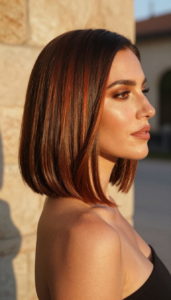
Dark roots used to be the thing you rushed to fix before anyone noticed. Now they are often the whole point. A blonde that begins in shadow has depth, dimension, and a lived-in ease that a flat, root-to-tip lightener rarely achieves. It also grows out gracefully, which means fewer salon appointments and more time between touch-ups.
The trick is that "blonde with dark roots" is not one look. It can be a soft, smoky gradient that reads as natural, or a sharp contrast designed to turn heads. The nine ideas below move across that spectrum, with notes on what to ask for, how to maintain the blend, and who each version flatters most. Bring a photo to your colorist, but also bring the vocabulary: root smudge, shadow melt, and tonal depth will take you further than "dark on top, light on bottom."
#9 The Smoky Shadow Melt

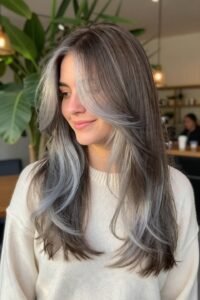
This is the version to request if you want dark roots that look like a deliberate design choice rather than missed appointments. A shadow melt blends a deep root, usually espresso or soft chestnut, into ash-toned blonde with no visible line, so the transition looks like natural light falling across the hair.
What makes it distinctive is the smokiness. The mid-lengths carry a cool, slightly muted tone before brightening toward the ends, which keeps the blonde from looking brassy or flat. Ask your colorist for a "root smudge" or "shadow root" with a lived-in, seamless blend, and be clear about how far down you want the dark to extend. Two to three inches is a good starting point.
At home, a purple or blue-violet shampoo once a week keeps the ash tone clean, and a gloss every eight to ten weeks refreshes shine. Long layers with loose waves show the gradient best. It suits almost every skin tone, especially cooler complexions.
#8 Bold Rooted Statement Blonde
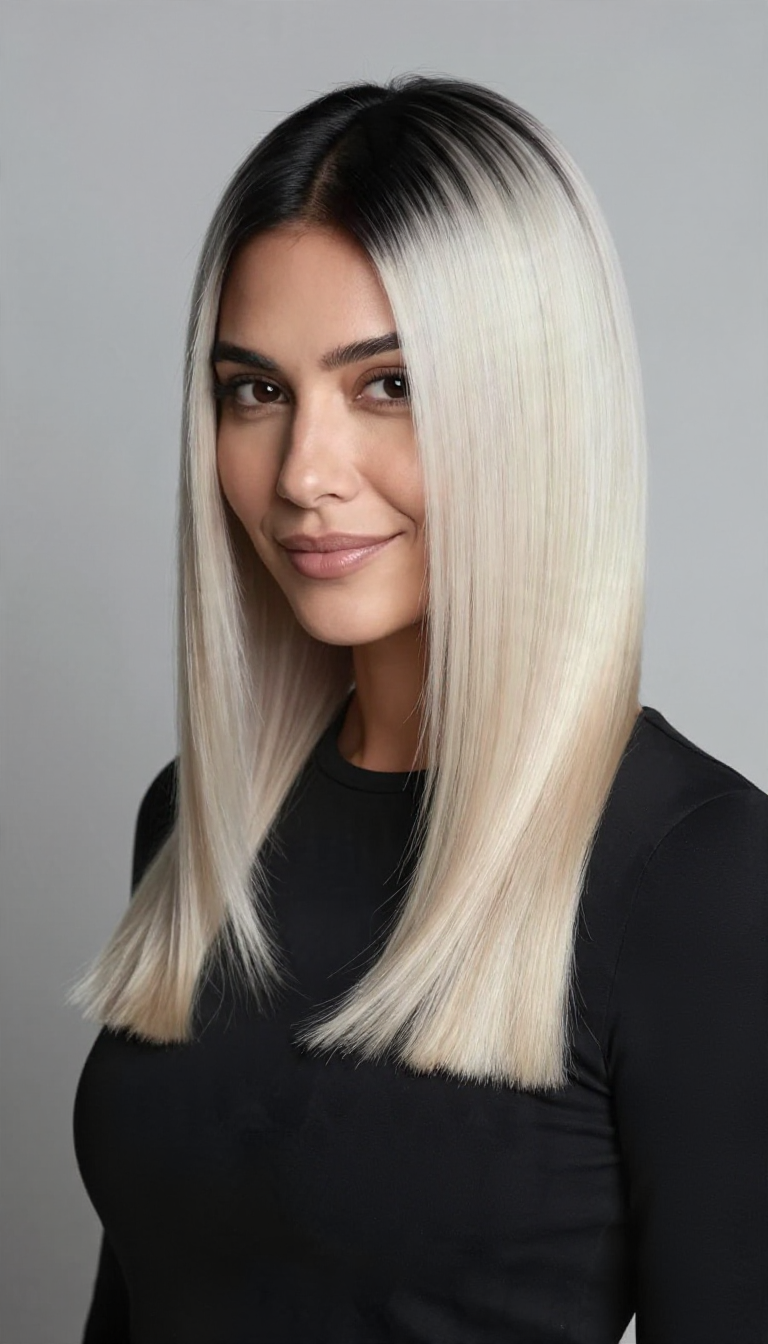
If the smoky melt is a whisper, this is a statement. Jet black or deep brown roots meet bright platinum with a crisp, graphic transition, creating contrast that feels fashion-forward and unapologetic. It is the look to choose when you want your color to be the first thing people notice.
A blunt bob or sleek lob amplifies the effect, since a clean line gives the contrast a frame. Ask for a "defined root" or "color-blocked root" and specify how many inches of depth you want. Because the line is intentional, precision matters, so look for a colorist who shows graphic work in their portfolio.
Platinum demands care: use a bond-building treatment, deep condition weekly, and tone regularly to avoid yellowing. The roots are lower maintenance than they look, since regrowth simply extends the dark section, but you will want to refresh the line every ten to twelve weeks. It works best on straight to slightly wavy hair, where the contrast stays crisp.
#7 Honey Blonde With Rich Brunette Roots

Warmth is the signature here. Instead of cool ash, this idea pairs chocolate or chestnut roots with golden honey blonde, producing a glowing, sunlit effect that looks like a summer spent outdoors. It is softer and more forgiving than the high-contrast looks, and it grows out beautifully.
This palette flatters warm, olive, and deeper skin tones particularly well, adding radiance rather than washing out the complexion. Ask for "honey blonde balayage with a chocolate root melt" and mention that you want warm, not ashy, tones. Hand-painted highlights concentrated through the mid-lengths and ends keep the dimension buttery.
Curls and waves show off the multi-tonal effect best, as movement lets the colors weave together. Use a sulfate-free shampoo and a color-safe moisturizing mask to protect the warmth, and avoid purple shampoo unless you notice brassiness turning orange. A gold-tinted gloss every couple of months keeps the honey luminous.
#6 Dark Root Beige Blonde Lob

For anyone who wants the effect without the drama, this is the quiet-luxury option. Mushroom or soft taupe-brown roots dissolve into a creamy beige blonde, a neutral shade that sits between golden and ash. The result looks expensive, polished, and remarkably natural.
Beige blonde is especially flattering on neutral skin tones and anyone who finds platinum too stark or honey too warm. Ask your colorist for "beige blonde with a soft root blur" and bring photos showing the exact balance of warmth you like, since beige can drift in either direction.
The collarbone lob keeps things light and easy. Ask for subtle internal layers so the ends move rather than sit heavy, and style with a flexible-hold texture spray and a loose bend from a wide iron. Because the root shift is gentle, you can stretch appointments to three months, with a toner mid-way if you like. A blue-based shampoo occasionally prevents warmth from creeping in.
#5 Platinum Blonde With a Deep Root Fade

Where the bold rooted statement relies on a sharp edge, this version stretches the dark into a long, gradual fade. The roots deepen to charcoal or dark brown and travel slowly toward white-platinum ends, giving long hair an almost ombré-like drama with a modern, smudged finish.
Length is your friend here. A five-inch fade needs room to unfold, so this works best on hair that reaches below the shoulders. Ask for a "long root fade into platinum" and discuss how gradual you want it, since the softness of the blend is what separates it from a regular ombré.
Platinum ends need the most care: schedule bond-repair treatments, keep heat tools low, and use a silver or violet toner to keep the white clean. A silk pillowcase and a leave-in heat protectant help prevent breakage on long, lightened strands. Straight styling highlights the fade, but loose waves give it a softer, more romantic look.
#4 Buttery Blonde Shag With Espresso Roots

The shag is built on movement, and buttery blonde gives all those choppy layers a soft, almost glowing finish. Espresso roots add the contrast that stops the color from looking flat: they sit at the crown, where the layers are shortest, and make the whole shape look fuller and more rock-and-roll.
Ask your colorist for a root smudge with a soft, diffused edge rather than a crisp line, because the shorter layers will grow out unevenly and a blurred transition forgives that. Butter tones sit between gold and cream, so request a pale yellow-leaning blonde with minimal orange and have it toned with a sheer gold-beige gloss. Cut first, color second, so the shadow follows the layers.
At home, scrunch in a lightweight texture cream on damp hair and let it dry naturally, then rough up the ends with a pinch of sea salt spray. Use a purple shampoo sparingly, since too much will push butter toward dull gray. Expect a trim every eight to ten weeks to keep the shape lively.
#3 Caramel-Kissed Blonde Pixie With Dark Roots

A pixie with dark roots is a small-scale version of the trend, and that is exactly its charm. With so little length, the root shadow is never far from the surface, so the color works like a built-in contour: dark at the base, golden caramel on top, with the tapered sides picking up the depth.
Bring a photo to the salon and ask for the shadow to be hand-painted after the cut, keeping it about an inch deep and darker at the nape and around the ears. Caramel highlights should be concentrated on the longer top section, which catches the light and creates dimension, rather than spread evenly. Because pixies grow out quickly, the shadow becomes a feature: you can stretch your color appointments to every ten or twelve weeks and book only the cut more often.
Style with a pea-sized amount of matte paste, working it from back to front and twisting the top pieces. If your hair is fine, a texturizing powder at the roots adds lift without weight. Golden blondes can brass quickly, so rinse with cool water and use a bond-repair mask monthly.
#2 Strawberry Blonde With Auburn-Brown Roots and Curtain Bangs

Strawberry blonde is the tone that most often looks wrong in photos of salon swatches and perfect in real life, and a warm auburn-brown root is what makes it believable. Instead of a stark contrast, the roots lean copper, so the shift from root to length feels like natural sunlight on red-leaning hair rather than a color formula.
Curtain bangs are a smart partner here. The shorter pieces sit right at the face, where the root shade and the peachy blonde meet, framing the skin with both tones at once. Ask for the bangs to be cut dry and long enough to tuck behind the ears, and for the root color to be softly smudged into the mid-lengths so no band appears.
Strawberry tones are among the first to fade, so protect them. Wash with lukewarm water, use a color-depositing conditioner in copper-rose every few washes, and keep heat to a moderate setting. A round-brush blowout with the ends turned slightly outward will showcase the bangs and keep the shape soft.
#1 Silver Blonde Coils With Deep Black Roots

Coily texture does something no other hair type can: it gives the dark-to-light transition real dimension. On a rounded shape, black roots frame the face like a halo, and silver blonde coils catch light in individual spirals, so the contrast looks sculpted rather than painted.
This is a high-lift service, so be realistic. Find a colorist with proven experience lightening textured hair, ask for a strand test, and plan on multiple sessions with a bond-building treatment in each one. Lightening in stages protects the curl pattern, which is the thing that makes this look work. Request a silver-blonde with cool, pearly toning, and leave the roots untouched so the natural black does the contrast for you.
After lightening, moisture is your priority. Use a deep conditioner weekly, detangle only when saturated with conditioner, and define curls with a leave-in and a cream or gel on soaking wet hair. Sleep in a satin bonnet, and tone with a blue-violet mask only every few weeks to keep silver from turning yellow without drying it out.
Dark roots are no longer a flaw to hide. Whether you want a barely-there shadow or a sharp, graphic line, the best version is the one planned around your cut, your texture and how often you want to be in the salon.